Crises Management
Why Crisis Management Matters
When a substance abuse or mental health crisis hits, families are almost never prepared for it — not emotionally, and not logistically. A relapse, an overdose scare, a psychiatric break, a suicide threat: these moments demand fast, clear-headed decisions, and they demand them right now, not after a weekend of research and panicked phone calls. Crisis management services put an experienced professional on the phone or on-site the moment things go sideways, so the family isn't figuring out life-or-death logistics for the first time in the worst moment of their lives.
Why It's Important
A crisis is often the moment of greatest clarity and greatest danger at the same time — the person may be at their most willing to accept help, but also at their most volatile or at-risk. What happens in the first hour of a crisis frequently determines everything that follows: whether the person gets into care, whether the situation is contained safely, whether trust is preserved or broken. Crisis management isn't something you bring in after the dust settles — it's the service that determines how the dust settles.

How It’s Effective
Crisis management works because it replaces panic with a plan:
Immediate, expert triage. We assess the situation quickly and clearly — is this a medical emergency, a psychiatric emergency, a relapse that needs immediate placement, or a volatile situation that needs de-escalation first? Families in the moment often can't tell, and that uncertainty costs precious time.
Real-time decision-making support. We help families make the hard calls in real time — whether that's calling emergency services, arranging emergency psychiatric hold procedures, or getting someone into detox or a crisis stabilization unit within hours, not days.
A calm, experienced voice. In crisis, the biggest danger is often escalation — a family member's fear or anger making a volatile situation worse. Our team knows how to de-escalate, communicate with the person in crisis, and keep the situation from spiraling further.
Pre-built relationships and resources. We already know which facilities have beds, which providers respond fast, and how to cut through red tape that would otherwise cost hours a family in crisis doesn't have.

Why Not To DIY
Families facing a substance abuse or mental health crisis on their own run into serious, sometimes dangerous, limitations:
No training for the moment. Recognizing the difference between a manageable situation and a genuine emergency takes experience most families simply don't have — and guessing wrong can be fatal.
Fear clouds judgment. In the moment, panic leads to decisions driven by emotion rather than what's actually best — freezing, overreacting, or under-reacting.
No fast-access network. Families don't know which facilities have immediate openings, which crisis lines actually get a fast response, or how psychiatric hold and involuntary commitment processes work in their state — and figuring it out live, mid-crisis, wastes critical time.
Relationship strain in the highest-stakes moment. The person in crisis often reacts to family very differently than to a calm outside professional, and an already-fraught relationship can make de-escalation harder, not easier.
No follow-through plan. Even if the immediate danger passes, families are often left without a next step — and without one, the same crisis repeats.
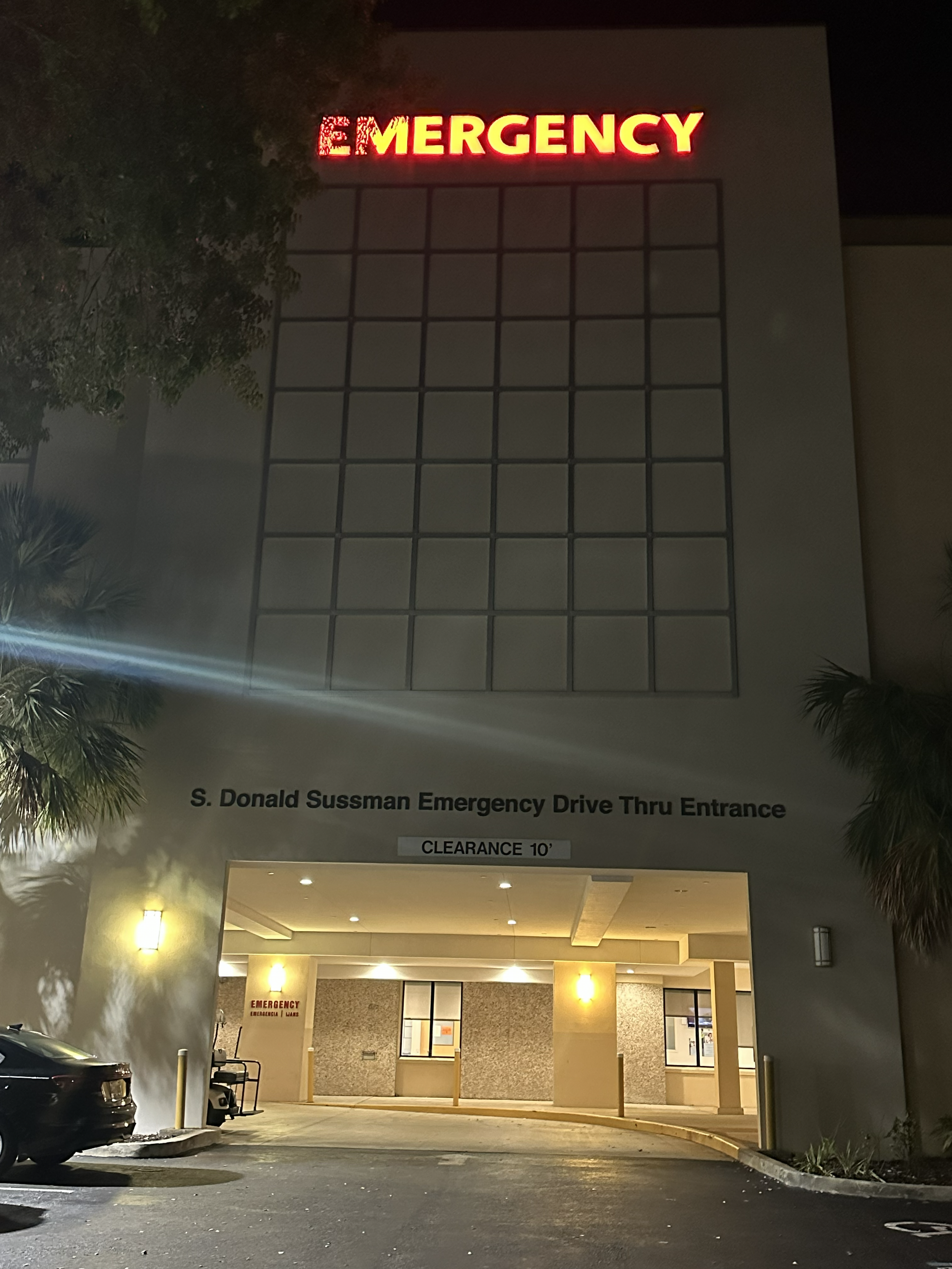
We make sure that when the worst moment hits, your family isn't navigating it alone, untrained, and improvising — you have an experienced team ready to act fast, keep everyone safe, and turn crisis into a clear path toward stabilization and care.
For the loved one seeking care
If you're reading this, you're probably exhausted in a way that's hard to explain to anyone who hasn't lived it. You've likely spent nights awake running through worst-case scenarios, replayed conversations wondering what you could have said differently, and carried a weight that isn't yours to carry alone.
Please hear this: none of this is your fault. You didn't cause this, and you can't love someone out of addiction or a mental health crisis, no matter how hard you try. The fact that you're here, looking for help, searching for the right next step — that's not you giving up on them. That's you fighting for them in the smartest way you can.
You don't have to have all the answers. You don't have to be the expert, the therapist, the negotiator, and the chauffeur all at once. Asking for support isn't a failure of love — it's an extension of it. Let us carry some of this weight with you. You've done enough carrying alone. Get in touch with us today, we are here to help.
For the person in crisis
Whatever brought you to this moment, you're not in trouble here, and you're not alone. Whatever you're feeling right now — fear, shame, anger, numbness, all of it at once — it makes sense. It doesn't mean anything is wrong with who you are.
You don't have to have this figured out. You don't have to be ready in the way people expect "ready" to look. You just have to be willing to take one next step, and we'll help with everything after that.
Nobody here is here to judge you or to fix you like you're broken. You're not broken. You're a person going through something incredibly hard, and there are people who know how to help you through it — not around you, not despite you, but with you. You get to be part of this. You get a say. And whenever you're ready to reach for it, there's a hand out for you. Get in touch with us today, we are here to help.