

Interventions
Why Intervention Matters
When someone you love is struggling with addiction or a destructive pattern, the hardest part often isn't recognizing the problem — it's knowing how to actually reach them. Denial, defensiveness, and years of enabling patterns build walls that well-meaning conversations just bounce off of. An intervention isn't about confrontation for its own sake. It's a structured, compassionate process designed to break through that wall at the moment it matters most.
Why It's the Critical First Step
Treatment only works if someone actually walks through the door. An intervention is the bridge between "we're worried" and "they're in a program." Skip it, and you often get one of two outcomes: nothing changes, or the person agrees to get help in a moment of guilt and backs out before it sticks. A well-run intervention locks in commitment and a same-day or near-immediate path into care, so there's no gap for resolve to fade.

Why It's Effective
A professional intervention works because it addresses three things families rarely have on their own:
Objectivity. You're emotionally exhausted and personally entangled. A trained interventionist isn't — they can read the room, de-escalate tension, and keep the conversation from collapsing into blame or old arguments.
Structure. We don't just show up and hope for the best. We prepare the family beforehand — coaching each person on what to say, anticipating pushback, and building a clear, unified plan with real consequences and real next steps (treatment already lined up, logistics handled).
Timing and leverage. Interventions are built around a specific moment of readiness, using the collective voice of people the person trusts and loves — which carries far more weight than any one person pleading alone.

Why Not To DIY
Families who try this alone usually run into the same traps:
They wait for the "perfect moment," which never comes.
The conversation turns emotional and personal, and old wounds hijack the intent.
There's no fallback plan, so if the person says no, the effort just... stalls.
Enabling patterns are invisible to the people inside them — a professional can spot and name them in ways family members can't see in themselves.
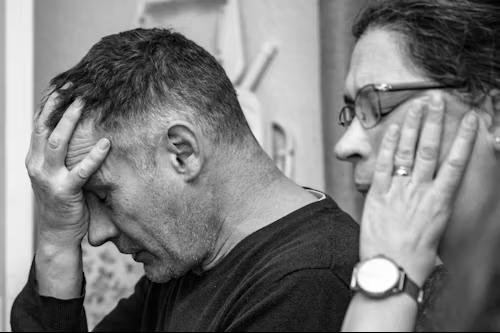
We've done this enough times to know what works, what doesn't, and how to hold the room when things get hard. You bring the love and the history.
We bring the structure and the experience to turn that love into real, lasting action.